
Leading Foundation Repair Products for Professional Contractors
Access high-performance products trusted by experts to deliver strong, lasting foundation repair solutions.
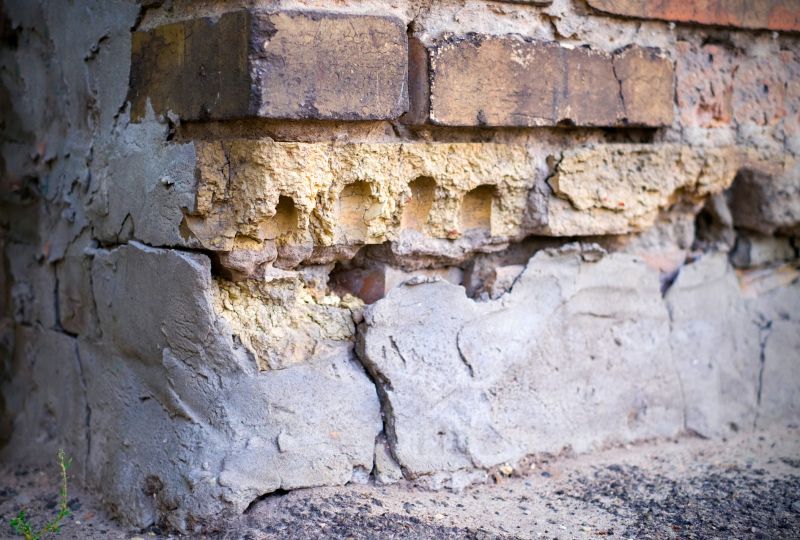 Foundation repairs are a critical aspect of maintaining the structural integrity of a building, especially in areas prone to soil movement, moisture fluctuations, or shifting ground. When addressing foundation issues, a variety of products are available to help stabilize and reinforce the structure. These products range from simple repair materials to complex underpinning systems, each suited to different types of foundation problems and severity levels.
Top Overall Option
Polyurethane Foam Injection System
Polyurethane foam injection systems are versatile and minimally invasive solutions suitable for stabilizing and lifting sunken or uneven foundations. They work by injecting expanding foam beneath the foundation to fill voids, lift settled slabs, and reinforce weak soil. These systems are often used for repairing cracks and addressing minor to moderate foundation issues, offering quick application and minimal disruption to property occupants.
Types of Products For Foundation Repairs
Carbon Fiber Reinforcement Straps
Used to reinforce cracked or bowed walls, these straps add tensile strength and prevent further movement.
Helical Piles
Deep foundation piers that are screwed into the ground to provide stable support for sinking or shifting structures.
Mudjacking and Slab Jacking Materials
Materials used to lift and level sunken concrete slabs through injection beneath the surface.
Polyurethane Foam Injection
Expanding foam used to fill voids, lift slabs, and stabilize soil beneath foundations.
Steel Push Piers
Support systems driven into stable soil layers to lift and stabilize foundations experiencing settlement.
Epoxy Injection Kits
Used for sealing cracks and restoring the structural integrity of cracked concrete and masonry.
Underpinning Brackets and Posts
Support systems placed beneath the foundation to provide additional stability and support.
Soil Stabilization Chemicals
Chemicals designed to improve soil bearing capacity and reduce movement beneath foundations.
Drainage and Moisture Control Products
Systems such as sump pumps and drainage pipes that help manage water flow around foundations to prevent future issues.
Concrete Patching and Repair Mortars
Materials for sealing cracks and restoring damaged concrete surfaces.
Foundation Wall Anchors
Anchors installed into the soil and connected to foundation walls to prevent bowing or leaning.
Grouting Materials
Used to fill voids and stabilize soil or masonry structures.
Hydraulic Push Piers
Support systems driven into the ground to lift and stabilize settled foundations.
Vapor Barriers and Waterproofing Membranes
Protect foundations from moisture infiltration that can cause or worsen settlement issues.
Foundation Repair Anchors
Anchors that stabilize walls and prevent further movement caused by soil pressure.
Popular Choices
A flexible solution for filling voids and lifting slabs, often favored for its quick application.
Commonly used for stabilizing cracked basement walls with minimal invasiveness.
Preferred for deep foundation support in areas with challenging soil conditions.
Popular for leveling uneven concrete surfaces efficiently.
Often chosen for their strength and ability to lift heavily settled foundations.
Widely used for sealing cracks and restoring structural integrity of masonry.
Effective for preventing bowing and leaning in basement walls.
Popular for water management around foundations to mitigate future issues.
Commonly installed to control moisture and protect foundation surfaces.
Frequently used for minor surface repairs and crack sealing.
Chosen for their ability to provide additional support to compromised foundations.
Popular for improving soil load-bearing capacity beneath foundations.
Understanding the specific needs of a foundation is essential before selecting repair products. Some solutions are designed for minor cracks and surface-level issues, while others provide deep stabilization for significant shifting or sinking. Proper assessment by a foundation specialist can guide homeowners and contractors toward the most appropriate options.
Safety and durability are paramount when choosing foundation repair products. High-quality materials can ensure long-lasting results and reduce the likelihood of future problems. It is also important to consider ease of installation, compatibility with existing structures, and the potential for future adjustments or repairs.
Investing in the right foundation repair products can help preserve property value and ensure safety. Whether dealing with small cracks or major structural concerns, a wide array of products is available to meet different needs and budgets. Carefully selecting the appropriate solutions and consulting with professionals can lead to more effective and lasting repairs.
Key Buying Considerations
- Assess the severity and type of foundation issue to determine suitable products.
- Consult with a foundation specialist or structural engineer for professional guidance.
- Consider the compatibility of repair products with existing foundation materials.
- Evaluate the longevity and durability of the repair materials used.
- Review installation requirements and whether professional assistance is needed.
- Determine the potential for future adjustments or repairs with the chosen system.
- Check for product certifications and compliance with local building codes.
- Estimate the overall project scope and budget to select appropriate solutions.
- Prioritize products that offer minimal disruption during installation.
- Research the manufacturer's reputation and product reviews for reliability.
- Consider moisture management solutions to prevent recurring issues.
- Ensure that products are suitable for the soil and environmental conditions of the area.
- Review warranty options and after-sales support.
- Understand the maintenance requirements of the repair system.
- Factor in the accessibility of the repair area for installation and future inspections.